Where in the world?
REGION
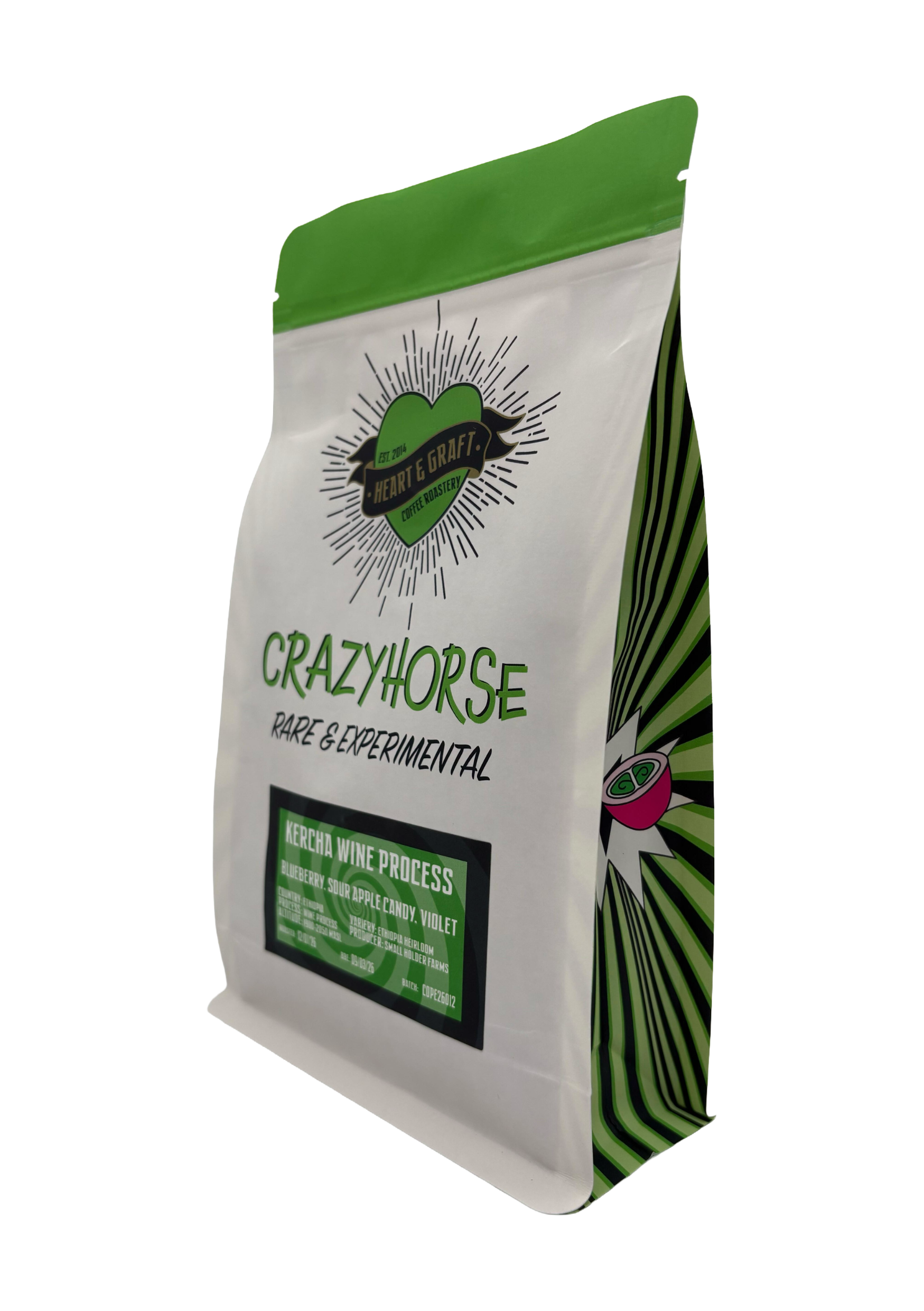
Banka Michicha, Kercha, Guji, Ethiopia
FARM
Small Holder Farms
ALTITUDE
1900-2050 MASL
VARIETY
Ethiopia Heirloom
PROCESS
Natural Wine Yeast Fermentaion
TASTING NOTES
Blueberry, Sour Apple candy, Violet
What’s the story?
This beauty is an exceptional filter coffee bursting with blueberry and juicy sweet apple flavours and a soft silky body like galaxy milk chocolate. There are also layers of mango and strawberry making this wonderfully complex and satisfying. The flavours driven by the wine yeast added in fermentation are there to be drawn out with a variety of recipes, for example there is a beautiful violet note you can definitely pick up whilst brewing, that adds to a fantastic depth of flavour.
This Grade 1 microlot originates from the Guji Kercha washing station, located in Banko Michicha within the Kercha district of Ethiopia’s Guji Zone. The station collaborates with approximately 150 local smallholder farmers who grow indigenous landrace coffee varieties, including Kurume, Wolisho, and Dega. These coffees are cultivated at high elevations ranging from 1,900 to 2,030 metres above sea level, contributing to their exceptional quality.
Guji is one of the administrative zones within Ethiopia’s Oromia Region and is named after the Guji tribe of the Oromo people. The zone is bordered by Borena to the south, the Southern Nations, Nationalities, and Peoples’ Region to the west, Bale to the north, separated by the Ganale Dorya River, and the Somali Region to the east. The area’s highest peak is Mount Dara Tiniro. Negele serves as the zone’s administrative centre, alongside several other towns of regional importance.
The Guji Zone was officially established in September 2002, following the division of the upland districts (woredas) from the former Borena Zone, forming a distinct coffee-growing region known today for its high-quality microlots.
The Process
This coffee processing method takes its name from the wine industry, where similar fermentation techniques are widely used. While the approach is also found in other controlled fermentation products, it has been adapted specifically for coffee production. In this process, freshly harvested coffee cherries are fermented in sealed, oxygen-free stainless steel tanks, with temperature carefully monitored throughout.
The process begins with meticulous sorting to ensure only fully ripe cherries are selected. These cherries are then placed into stainless steel tanks fitted with a specialised water-filled fermentation valve. As fermentation starts, carbon dioxide (CO₂) is naturally produced and accumulates inside the tank. When internal pressure exceeds atmospheric pressure, the CO₂ escapes through the valve in the form of bubbles. This system allows gases to exit while preventing oxygen from entering, enabling a longer, more controlled fermentation and reducing the risk of spoilage or undesirable fermented flavours.
Fermentation duration is determined by the temperature inside the tank, but typically lasts between four and five days. Once fermentation is complete, the cherries are dried using traditional methods on raised African beds for approximately 15 to 18 days. After drying, the cherries are rested before being transported to a central dry mill in Addis Ababa via Djibouti, where secondary processing takes place, including hulling, grading, sorting, and handpicking.

CLEVER DRIPPER
Dose: 20g
Water: 340ml
Time: 5 mins
ESPRESSO
Dose: 18g
Yield: 45g
Time: 32s